


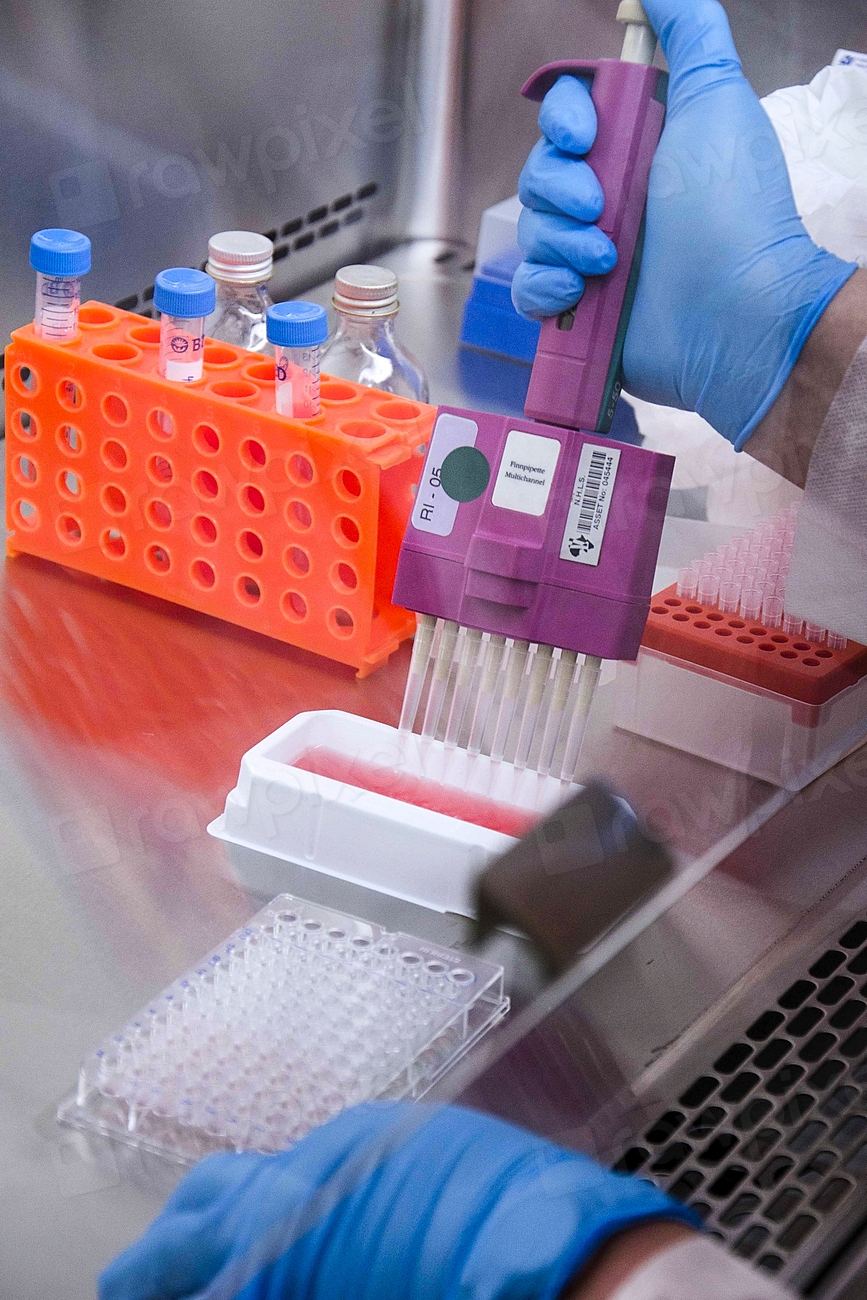
Scientists at Harvard Medical School and the Dana-Farber Cancer Institute have found a new way to switch off GPCRs, the family of cell-surface receptors targeted by more drugs than any other. Rather than blocking the receptors, their method drags selected GPCRs inside the cell and destroys them. The work, reported in Nature in October 2026 and covered on 4 November 2026, was led by co-senior authors Xin Zhou and Andrew Kruse, with co-first authors Kaitlin Rhee and Lawrence Shue. The team built bispecific molecules that link a target GPCR to the transferrin receptor TfR1, which pulls it into the cell and routes it to lysosomes, the cell’s waste disposal units. They called the molecules GTACs, short for TfR1-targeting chimeras.
What the Evidence Shows
GPCRs sit on the surface of cells and relay signals from hormones, neurotransmitters and drugs, but many members of the family are hard to drug because blocking them briefly is not enough or causes side effects. The new strategy uses induced proximity, a technique in which one molecule is used to bring two other molecules together, so the cell’s own transport machinery does the work of removing the receptor. As a proof of principle, the team targeted the angiotensin II type 1 receptor, the target of common blood pressure drugs, and reduced its signalling by about 30 percent. The approach could open new treatments for diseases driven by overactive receptors, though it has so far been tested only in cells. Reporting and analysis from sources such as NASA track the same developments, and specialists following the GPCR degradation method from Harvard say the direction is now consistent across independent lines of evidence.
The Wider Context
Funding bodies are watching the GPCR degradation method from Harvard closely because the work sits at the junction of basic curiosity and practical return. Grant panels increasingly ask for a path from discovery to application, while researchers push back that the most valuable uses of fundamental science are rarely the ones written into the original proposal. The tension is productive when both sides stay honest about timescales.
What Happens Next
The long view on the GPCR degradation method from Harvard is that fields advance by accumulation rather than by single announcements. This result adds a solid, checkable piece to a structure many teams are building, and its authors have shared their data so the piece can be tested from every side. That is how the picture eventually becomes reliable enough to act on. You can follow related developments in our coverage of science.
It is also worth remembering how quickly the picture in this area has changed before. Positions that looked settled a few years ago have been revised as new data arrived, and the same humility is appropriate now. The strongest coverage of this subject, and the most useful advice, tends to come from sources that update their views openly when the facts move, rather than defending an earlier position long after it has stopped fitting the evidence available.
