

Close Menu
FillyTech

    Subscribe to Updates

    Get the latest creative news from FooBar about art, design and business.

    What's Hot

    A New Way to Destroy GPCRs, the Most Common Drug Targets

    November 28, 2026

    IEA Warns AI Data Centres Will Raise Emissions by 70 Percent by 2030

    November 28, 2026

    Why Businesses Are Investing in AI SEO Services in India

    November 27, 2026
    Facebook X (Twitter) Instagram
    FillyTechFillyTech
    • Home
    • News
    • Business
    • Computer
    • Electronics
    • Finance
    • Gaming
    • Internet
    FillyTech
    Home»Blog»A New Way to Destroy GPCRs, the Most Common Drug Targets
    Blog

    A New Way to Destroy GPCRs, the Most Common Drug Targets

    Louis MartinBy Louis MartinNovember 28, 2026No Comments3 Mins Read
    Share Facebook Twitter Pinterest LinkedIn Tumblr Reddit Telegram Email
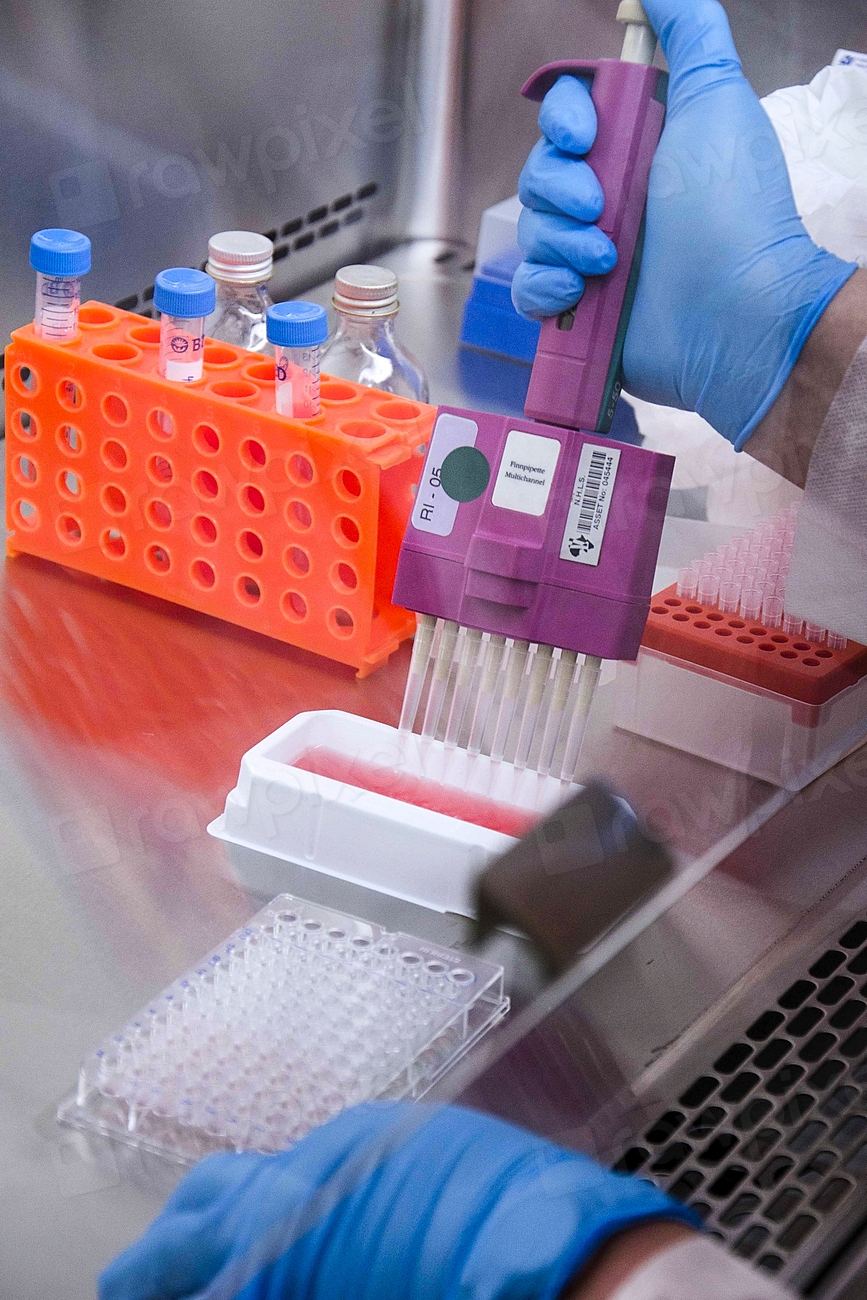
    A research scientist works with test tubes in a biomedical laboratory.
    Share
    Facebook Twitter LinkedIn Pinterest Email

    Scientists at Harvard Medical School and the Dana-Farber Cancer Institute have found a new way to switch off GPCRs, the family of cell-surface receptors targeted by more drugs than any other. Rather than blocking the receptors, their method drags selected GPCRs inside the cell and destroys them. The work, reported in Nature in October 2026 and covered on 4 November 2026, was led by co-senior authors Xin Zhou and Andrew Kruse, with co-first authors Kaitlin Rhee and Lawrence Shue. The team built bispecific molecules that link a target GPCR to the transferrin receptor TfR1, which pulls it into the cell and routes it to lysosomes, the cell’s waste disposal units. They called the molecules GTACs, short for TfR1-targeting chimeras.

    What the Evidence Shows

    GPCRs sit on the surface of cells and relay signals from hormones, neurotransmitters and drugs, but many members of the family are hard to drug because blocking them briefly is not enough or causes side effects. The new strategy uses induced proximity, a technique in which one molecule is used to bring two other molecules together, so the cell’s own transport machinery does the work of removing the receptor. As a proof of principle, the team targeted the angiotensin II type 1 receptor, the target of common blood pressure drugs, and reduced its signalling by about 30 percent. The approach could open new treatments for diseases driven by overactive receptors, though it has so far been tested only in cells. Reporting and analysis from sources such as NASA track the same developments, and specialists following the GPCR degradation method from Harvard say the direction is now consistent across independent lines of evidence.

    The Wider Context

    Funding bodies are watching the GPCR degradation method from Harvard closely because the work sits at the junction of basic curiosity and practical return. Grant panels increasingly ask for a path from discovery to application, while researchers push back that the most valuable uses of fundamental science are rarely the ones written into the original proposal. The tension is productive when both sides stay honest about timescales.

    What Happens Next

    The long view on the GPCR degradation method from Harvard is that fields advance by accumulation rather than by single announcements. This result adds a solid, checkable piece to a structure many teams are building, and its authors have shared their data so the piece can be tested from every side. That is how the picture eventually becomes reliable enough to act on. You can follow related developments in our coverage of science.

    It is also worth remembering how quickly the picture in this area has changed before. Positions that looked settled a few years ago have been revised as new data arrived, and the same humility is appropriate now. The strongest coverage of this subject, and the most useful advice, tends to come from sources that update their views openly when the facts move, rather than defending an earlier position long after it has stopped fitting the evidence available.

    Drug discovery GPCRs Harvard
    Share. Facebook Twitter Pinterest LinkedIn Tumblr Email
    Previous ArticleIEA Warns AI Data Centres Will Raise Emissions by 70 Percent by 2030
    Louis Martin

    Related Posts

    Blog

    Why Businesses Are Investing in AI SEO Services in India

    November 27, 2026
    Blog

    Cells Can Partly Offset Extra or Missing Chromosomes, Study Shows

    November 27, 2026
    Blog

    GLP-1 Weight Loss Linked to Denser Breasts and More Mammogram Call-Backs

    November 26, 2026
    Add A Comment
    Leave A Reply Cancel Reply

    Search
    Recent Posts

    660+ Leadership Appraisal Comments: Inspire, Guide, and Motivate Effectively

    February 12, 2025108 Views

    Best 50 daughter shayari In Hindi | बेटी पर खूबशूरत शायरी 2025

    April 20, 2025101 Views

    130+ Best Comments for Girl Reels on Instagram

    February 4, 202589 Views
    About
    About

    FillyTech provides the evolving world of technology, delivering insights across industries like business, gaming, and electronics.

    It connects readers with trends, innovations, and essential updates, offering a comprehensive look into modern digital advancements. #FillyTech

    Popular Posts

    A New Way to Destroy GPCRs, the Most Common Drug Targets

    November 28, 2026

    IEA Warns AI Data Centres Will Raise Emissions by 70 Percent by 2030

    November 28, 2026

    Why Businesses Are Investing in AI SEO Services in India

    November 27, 2026

    Contact Us


    We value your interest in FillyTech. Whether you have questions, feedback, or partnership opportunities, we’re here to help. Feel free to reach out using the details below.

    Email: contact@outreachmedia .io
    Phone: +923055631208

    Address: 3803 Monroe Avenue Tampa, FL 33610

    แทงบอลสเต็ป
    Facebook X (Twitter) Instagram Pinterest
    • About Us
    • Contact Us
    • Disclaimer
    • Privacy Policy
    • Terms and Conditions
    • Sitemap
    • Write for Us
    Copyright © 2026 | All Right Reserved | FillyTech

    Type above and press Enter to search. Press Esc to cancel.

    WhatsApp us