


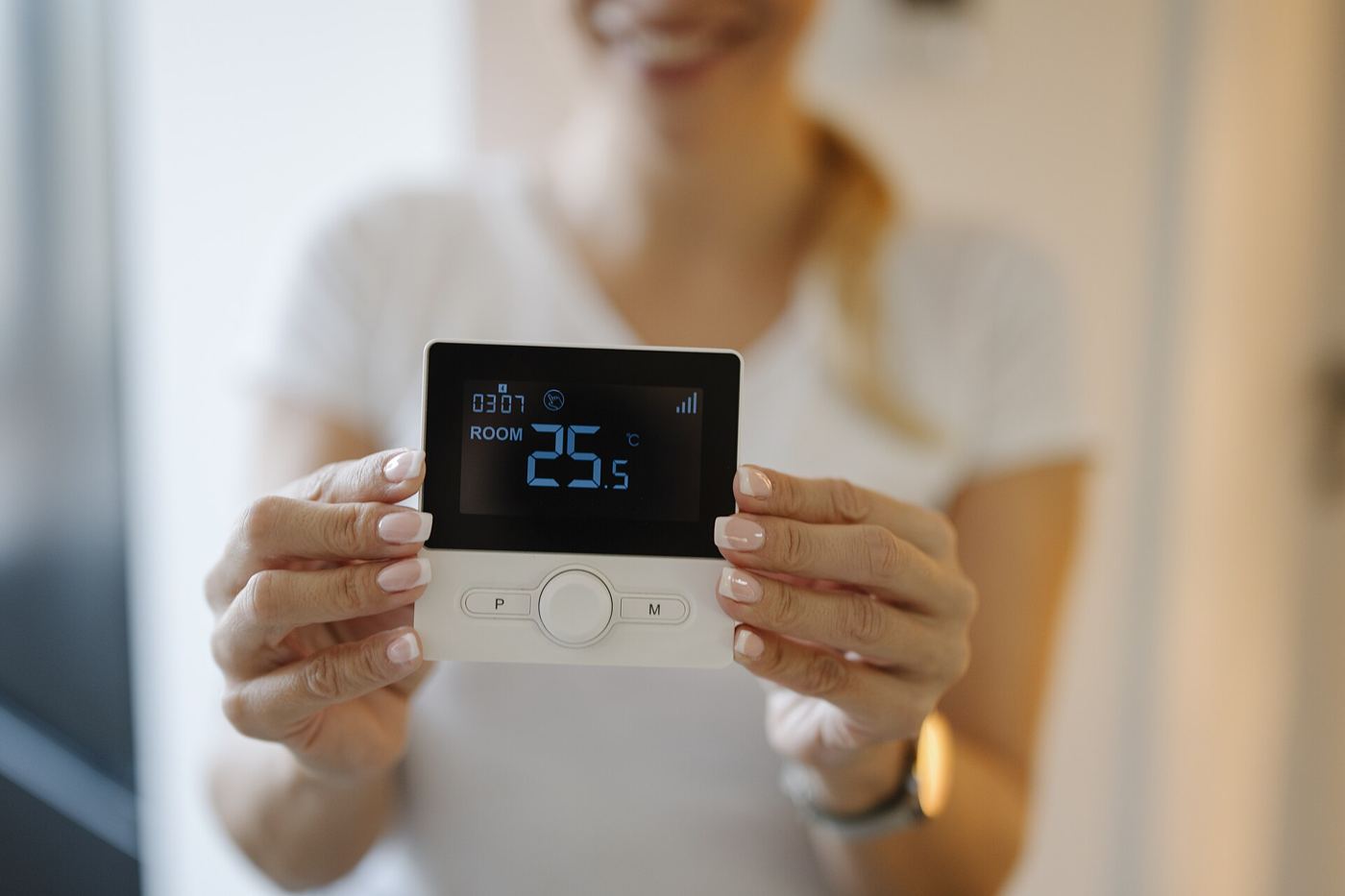
For years, the smart home was a mess of incompatible systems. A light bulb that worked with one voice assistant would not work with another, a smart plug needed its own app, and choosing a platform felt like a bet on which company would survive. Matter was created to end that confusion. Launched in November 2022 by the Connectivity Standards Alliance, with Apple, Google, Amazon and Samsung behind it, Matter is a common language that lets devices from different brands work together, controlled from any of the major smart home apps. A Matter-certified light, lock or thermostat connects to Apple Home, Google Home, Amazon Alexa and Samsung SmartThings at the same time, and it keeps working locally even when the internet goes down. By early 2026, more than 4,000 products carried Matter certification, from bulbs and plugs to locks, thermostats and cameras.
What the Evidence Shows
The standard is still maturing, and buyers should know its limits. The specification has grown through successive releases: version 1.5, published in November 2025, added camera support, and version 1.6 followed in June 2026 with improved setup and energy management. Yet not every device supports every version, and some manufacturers add features that only work inside their own app, so the Matter badge guarantees basic compatibility rather than identical behaviour everywhere. Older devices may never receive Matter support, and setting up a home still requires a controller such as a smart speaker or hub, plus a Thread border router for many low-power devices. Even so, the direction is clear. For the first time, buyers can choose devices by quality and price rather than by which company’s ecosystem they already own. Reporting and analysis from sources such as MIT Technology Review track the same developments, and specialists following Matter smart home standard say the direction is now consistent across independent lines of evidence.
The Wider Context
The wider context is an industry learning to ship capability and restraint together. Products built around Matter smart home standard now launch with safety evaluations, usage data and rollback plans as standard, because enterprise buyers and regulators ask for them in the first meeting. Companies that treated those questions as friction are discovering they have become the purchase criteria.
What Happens Next
What happens next for Matter smart home standard depends less on another breakthrough than on the unglamorous work of reliability, pricing and support. The buyers evaluating it now are not enthusiasts; they are operators with budgets and auditors, and their checklists will decide the timeline. On the evidence of the current pilots, the technology has earned the right to be judged by them. You can follow related developments in our coverage of technology.
There is a practical lesson in all of this for readers deciding what to do today. Start with the verified facts, be wary of anyone promising certainty, and prefer reversible steps while the evidence is still developing. Circumstances differ by country, income and personal situation, so general guidance should always be weighed against your own context before you act on it in any significant or lasting way.
