


The latest United States figures put confirmed measles cases at 4,410, up 8 percent on the previous week. Public health officials say the pattern reflects pockets of low vaccination rather than any change in the virus itself. Here the emphasis is on prevention first — the practical steps that most reduce risk for families.
Understanding the numbers calmly matters. Measles is serious, particularly for young children and people with weakened immune systems, but it is also one of the most preventable infections in modern medicine.
The Drivers Behind the Increase
Officials point to three overlapping drivers. First, vaccination coverage in some communities has fallen below the roughly 95 percent level needed to keep measles from spreading. Second, routine appointments missed in recent years have not all been caught up. Third, international travel continually reintroduces the virus to places that had eliminated local transmission.
None of these drivers is mysterious, and none requires a new scientific breakthrough to fix. They require appointments being offered, records being checked, and accurate information reaching parents who are genuinely unsure rather than firmly opposed.
Authoritative detail is available from the CDC’s measles guidance, which is updated as the situation develops. For background on how new vaccines earn trust through staged trials, see our coverage of a recent early-phase vaccine study.
Knowing the Signs Early
Early measles can be mistaken for flu: fever, cough, a runny nose and sore, reddened eyes are typical first symptoms. The distinctive rash usually arrives several days later, beginning around the hairline before spreading across the body. Tiny white spots inside the cheeks are another clue clinicians look for.
People are infectious from about four days before the rash appears until four days afterwards, which is why calling ahead before attending a clinic or emergency department is so important. It protects waiting rooms full of exactly the patients most at risk.
Protection That Works
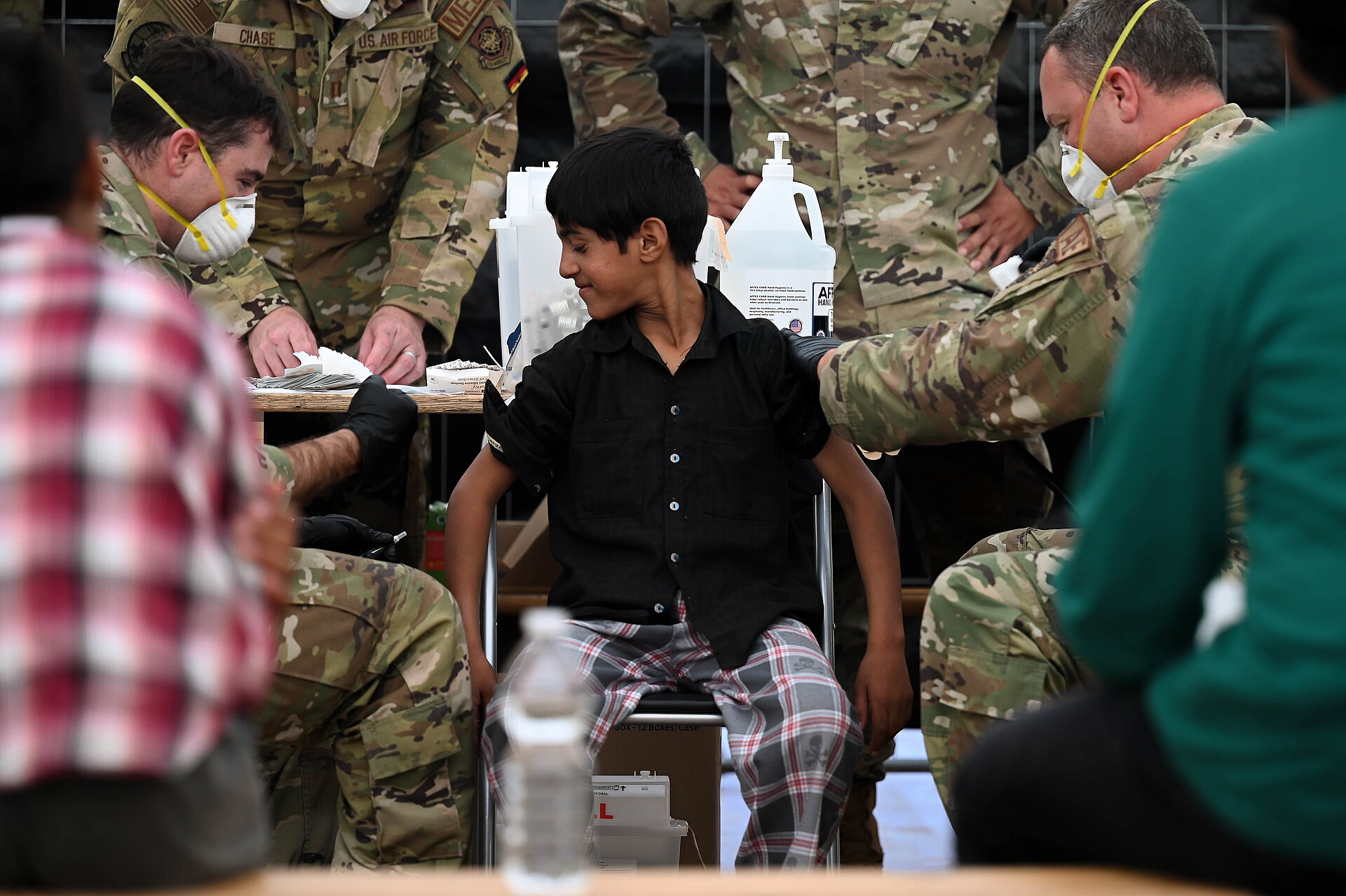
Two doses of MMR remain the cornerstone of prevention, offering about 97 percent protection and, crucially, helping shield those who cannot be vaccinated themselves. Catch-up doses are routinely available for older children, teenagers and adults who missed out, and there is no upper age problem with asking — records can be checked and a plan made in minutes.
Beyond vaccination, basic steps help during outbreaks: stay home when ill with fever and rash, let contacts know promptly, and follow local guidance about school or workplace exclusion. These unglamorous measures are how outbreaks end.
Questions Parents Often Ask
Can a vaccinated child still catch measles? Rarely, and usually mildly — two doses are about 97 percent effective, and breakthrough infections are far less likely to cause complications or spread the virus. Is the vaccine safe for most children? Yes: it has been used for decades in hundreds of millions of doses, with serious reactions extremely rare, while measles itself carries well-documented risks including hospitalisation.
What if you do not know your own status? Ask. Clinics can check records, test immunity where appropriate, or simply vaccinate — an extra dose is not harmful for someone already immune. And what about babies too young for the routine schedule? Their protection comes from the immunity of everyone around them, which is one more reason community coverage matters. Clear answers, offered without judgement, are among the most effective tools health services have.
Health teams will publish updated counts in the coming days, and local clinics can advise anyone who thinks they may have been exposed. In the meantime, the most useful response is also the simplest: confirm your family’s protection, keep this guidance to hand, and encourage friends planning travel or starting school to do the same. Prevention done early is invisible, effective, genuinely kind and remarkably inexpensive for communities everywhere. If you are travelling soon, arranging vaccination a fortnight ahead gives protection time to build, and keeping a photo of immunisation records on your phone makes checks at clinics, schools and borders far simpler.
