


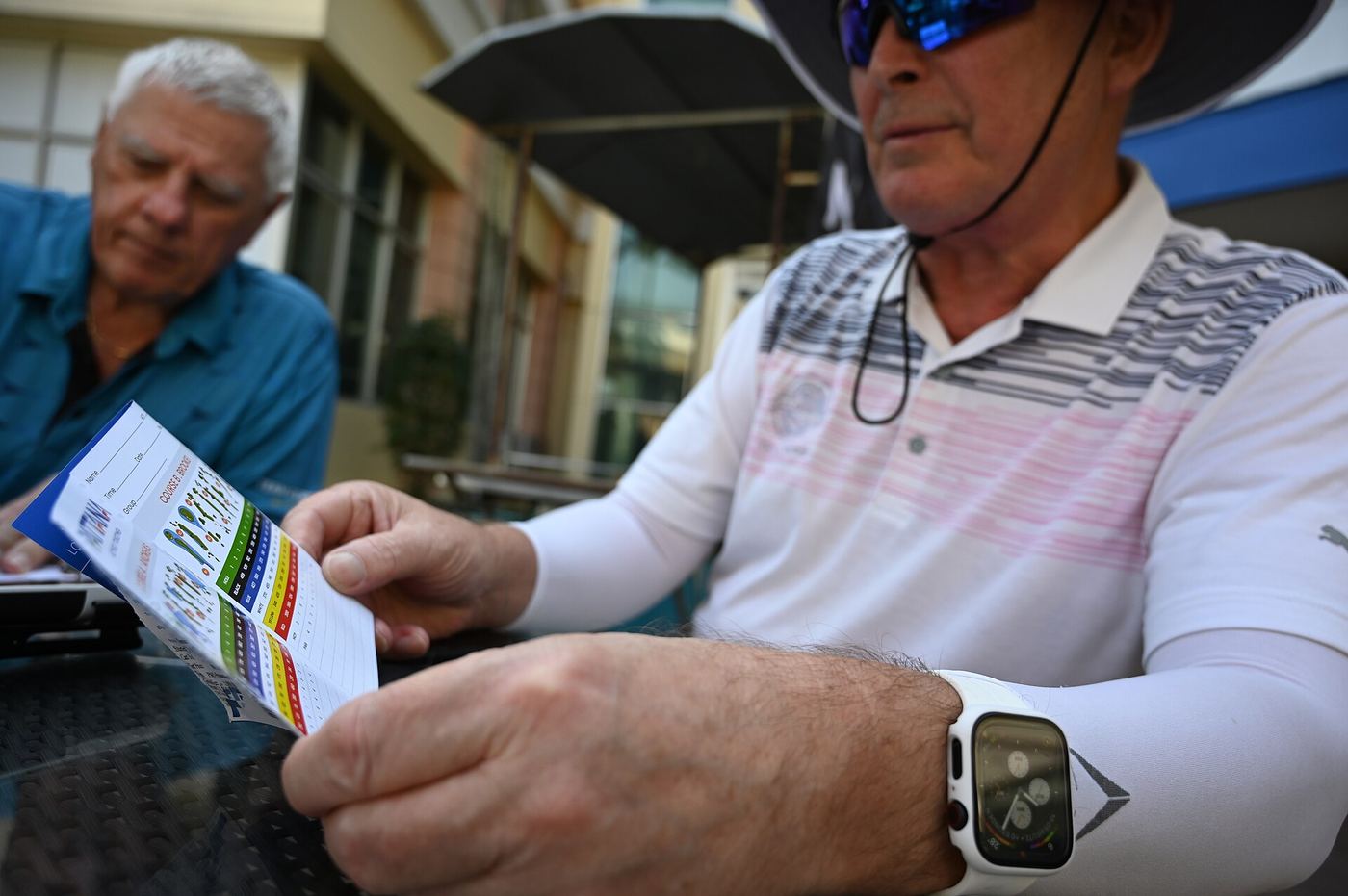
Wrist-worn health trackers promise a dashboard for your body: steps, heart rate, sleep stages, calories, stress and even blood oxygen. Independent testing paints a more nuanced picture of what these devices measure well and where they guess. Knowing the difference turns a tracker from a source of anxiety into a genuinely useful training and health companion.
Researchers who compare consumer wearables against medical-grade equipment reach a consistent verdict. Heart rate at rest is usually close; energy expenditure is often well off; sleep staging is approximate. Our health tech section summarises the validation studies behind the headlines.
What Trackers Measure Well
Step counts on modern devices are generally reliable for walking and running, typically within a reasonable margin of manual counts. Resting heart rate and heart-rate trends during steady exercise also compare well with chest-strap monitors, which is why doctors increasingly accept tracker data as useful context. The World Health Organization encourages regular physical activity, and for many people a tracker’s simple feedback loop, move more today than yesterday, is its real value.
Consistency matters more than laboratory perfection. A device that reads your resting heart rate the same way every morning can reveal trends: rising readings during illness, overtraining or poor sleep, even if the absolute number differs slightly from a clinical measurement.
Where the Numbers Get Shaky
Calorie estimates are the weakest link. Studies repeatedly find errors large enough to mislead anyone eating back the calories their watch says they burned. The devices estimate energy use from movement and heart rate using population averages, and individual metabolism varies too much for precision. Clinics such as the Mayo Clinic advise treating wearable calorie figures as rough guidance rather than measurement.
Sleep staging deserves similar caution. Trackers infer light, deep and REM sleep from movement and heart-rate patterns; they are reasonably good at total sleep time and poor at the precise stages shown in their colourful charts. Heart-rate readings also degrade during vigorous, arm-heavy exercise and on very cold days when blood flow to the wrist falls.
Using a Tracker Wisely
Wear it snugly, keep the software updated, and judge it on trends over weeks, not single readings. Cross-check anything alarming with proper measurement and, where relevant, a clinician; a tracker is a wellness tool, not a diagnostic device. Athletes who need accurate training data can pair a watch with a chest strap for key sessions.
Our wearables coverage tests new models against these criteria rather than repeating manufacturer claims. Used with realistic expectations, a tracker is a good coach and a mediocre laboratory, and knowing which is which is the whole secret to getting value from it.
Buyers should also check the basics before the biometrics: battery life, water resistance, strap comfort and whether health data can be exported if you change brands. A tracker abandoned in a drawer after a month measures nothing at all, however impressive its sensors looked in the shop.
